
About Us
Mission
Our mission at the Northwest Dyslexia Center is to give families the information and support we wish we would have had when our children first started struggling with reading and spelling. This includes getting appropriate assessments and research based instruction, information about accommodations and technology, and improving dyslexia awareness for families, educators, and our community.
We also believe that the dyslexic brain is amazing, as are the people who are dyslexic. Not only is our goal to partner with parents to help their child overcome the challenges of dyslexia, but also to help them explore their strengths and gifts. Often the problems of dyslexia seem glaring while the strengths of a dyslexic brain seem more subtle and easier to overlook. Yet, it is crucial for children’s self-esteem that we spend time developing their strengths. The goal is to make sure that the strengths, not the weaknesses, are what define your child.
At the Northwest Dyslexia Center we can help make these goals a reality by offering specific information on dyslexia and the options that are available to you, such as assessment and tutoring.

Our Story
In 1999, Kelly began to notice her son was having trouble at school. He was over half-way through his first-grade year and he was struggling to learn to read. When Kelly shared her concerns, the teacher insisted he was fine and would catch up. Kelly was worried, though. In addition to his problems with reading, he had stomach aches, headaches, and didn’t want to go to school. He also started to call himself stupid. The teacher suggested they wait a little longer for things to get better. She warned that if Kelly pulled her son from school, it would be a mistake.
Kelly was conflicted and thought maybe he would catch up. He had a summer birthday, so he was a bit young for his grade, and besides, he was a boy. Didn’t boys mature a little later? Maybe he just wasn’t ready yet. After seeing how distressed he was, she felt she only had one choice. She didn’t want to ruin her son’s academic future, but his emotional well-being was important too. Kelly pulled her son from school and began homeschooling him.
Kelly bought some books and curriculum that were designed to help struggling readers. His reading got a little better, but not enough, and his spelling was still horrible. She asked the school district for a formal assessment. The school psychologist shared that the results showed that he was performing a little low but there was nothing to be concerned about. Kelly reviewed the results on her own, which showed he was performing at the 10% and she quickly realized things were not fine. She made another appointment to have testing done by an outside provider.
While waiting for the testing, Kelly continued to teach her son and continued to research more about reading and spelling difficulties. During her research, she learned about something called dyslexia.
When the new assessment results were being shared by the psychologist, Kelly listened and said that it sounded like dyslexia. The psychologist refused to use the term herself but did say that if Kelly wanted to use the term, it wouldn’t be incorrect. Dyslexia was the answer Kelly had been searching for, and it finally gave her a starting place for how to really help her son.

During her research she had discovered the Barton Reading and Spelling System. It was a new program at the time, based on the work of Dr. Samuel T. Orton and Anna Gillingham, designed to help people with Dyslexia learn to read and spell. Kelly bought the program and began tutoring her son.
While she was homeschooling, she noticed many others in the homeschool community had children with dyslexia too. They had a story so similar to hers, she knew she wanted to help. She began tutoring other students. Kelly also started to notice her daughter struggling with symptoms of dyslexia, who she also began to tutor.
When Kelly’s kids got older, and she had taken many students through the program, she realized that she could make a bigger difference. She received her Barton certifications and started Better Learning Solutions. She tutored students at her dining room table, just as she had while home schooling her own children.
Kelly decided it was time to open up a center, and hire tutors. She changed the name of her business to Northwest Dyslexia Learning Center. She knew there were many good dyslexia tutors out there, but there were also a lot of tutors who weren’t as dedicated to the training and the Barton system and were less effective. She wanted to be assured that she was able to reach more people in the community who needed the same help her family did, and she wanted to offer tutors who were rigorously trained and who truly had a heart for the dyslexic community.
Kelly never stopped learning. Even after she established Northwest Dyslexia Learning Center, she continued researching dyslexia and the brain. She learned that dyslexia could include math, so she attended Making Math Real trainings in order to add math tutoring to the offerings at NWDC. She also learned about ADHD and how both Dyslexia and ADHD impact one another. She wanted to offer her clients more than just dyslexia screenings and tutoring. She went back to school to get her master’s degree in counseling specializing in assessments, so she could test and diagnose both dyslexia and ADHD.
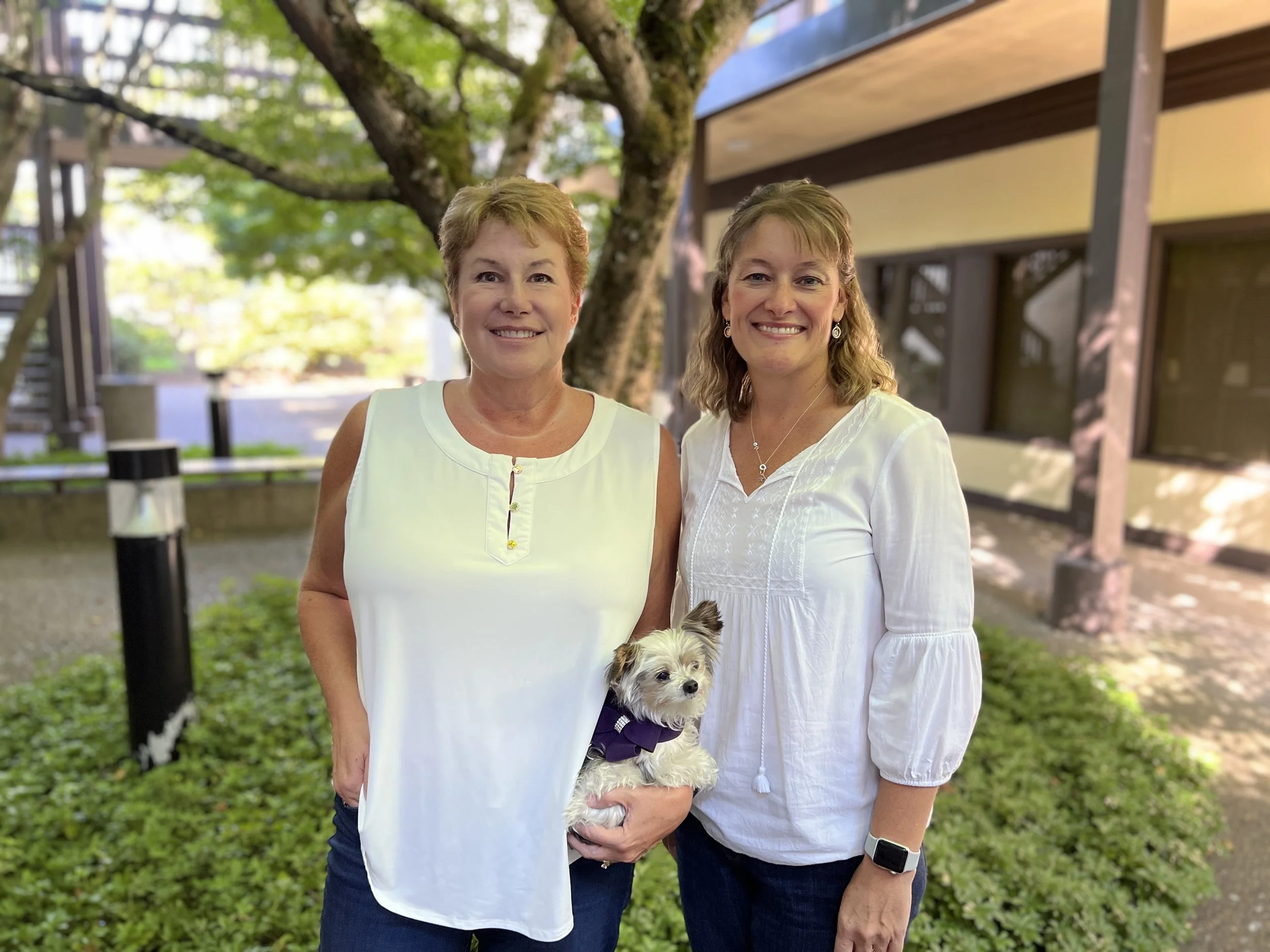
During her internship, she met Alison Craker, LPC, who also had a personal connection with dyslexia and ADHD. She saw in Alison someone who had a heart for kids and families who were told, like Kelly was, that their kids would catch up, eventually.
Kelly Arnold is now retired, traveling with her husband and visiting her kids, knowing NWDC is in the hands of Alison Craker, LPC, continuing Kelly’s vision of bringing much needed support and education to the community.
“One good thing I did,” Kelly reflects, “was listen to my mom instincts. Even though so many professionals told me my son was fine, I kept fighting to find the answers. If I had one message for parents, it would be to trust themselves. Schools do not always truly understand dyslexia, and many professionals are not trained in it.”
Our tutors, clinician, and office staff all have experience with neurodivergence. From dyslexia, to ADHD, to anxiety, we know what it is like to struggle on behalf of yourself and your family.
The staff at NW Dyslexia Center choose to work here because we desire to be a light to parents and families when they feel a bit lost, just like our founder felt when she was first staring out on the journey.
Let us partner with you. You don't have to make the journey alone.Our Team
-
![Alison Craker, LPC - Clinician]()
Alison Craker, LPC
Clinician
-
![Geeta Glasser - Tutor, Intake Coordinator, Trainer, Homeschooling Consultant]()
Geeta Glasser
Barton Tutor, Intake Coordinator, Tutor Trainer, Homeschooling Consultant
-
![Jessica Baker - Office Manager]()
Jessica Baker
Office Manager
-
![Heather Fisher - Tutor, Trainer]()
Heather Fisher
Barton Tutor, Tutor Trainer
-
![Tara Watkins-Sumner - Tutor, Screener]()
Tara Watkins-Sumner
Barton Tutor, Math Tutor, Screener
-
![Kim Spalding - Tutor]()
Kim Spalding
Barton Tutor
-
![Heidi Broderson - Tutor]()
Heidi Broderson
Barton Tutor
-
![Kim (Kimmers) Weyler]()
Kim (Kimmers) Weyler
Barton Tutor
-
![Theresa D'Souza - Tutor]()
Theresa D'Souza
Barton Tutor
-
![Kristin Pugmire - Tutor]()
Kristin Pugmire
Barton Tutor
-
![Tammy Williams - Clinician Assistant]()
Tammy Williams
Clinician Assistant
-
![Liz Whitson- Barton Tutor]()
Liz Whitson
Barton Tutor
-
![Aidan Guthrie- Math Tutor]()
Aidan Guthrie
Math Tutor





Meet the Clinician
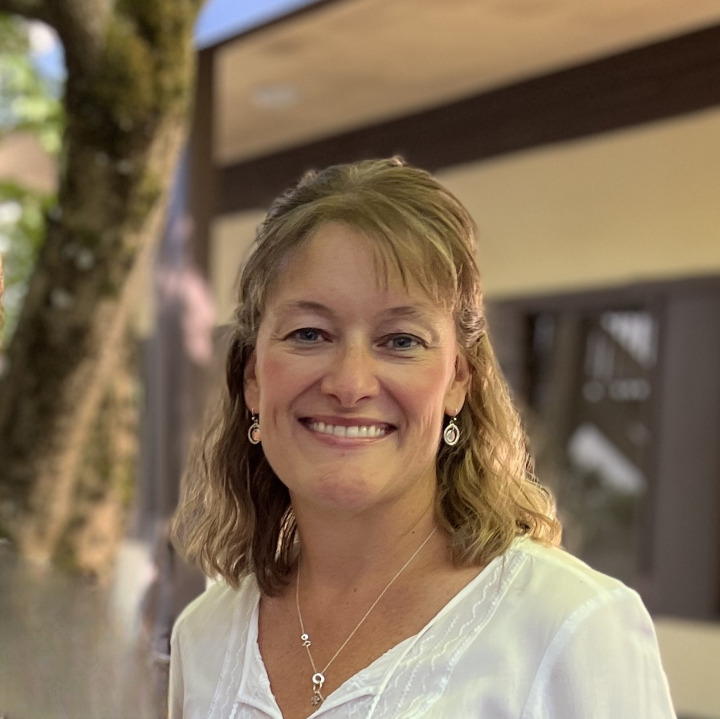


Alison Craker, M.A., Licensed Professional Counselor
From the time I was a child, I had always been drawn to helping others. Even before I graduated I knew what I would claim as my college major. Social work and psychology quickly became a passion for me as I tested the waters, interning in a variety of settings including the in-patient social work department for a major hospital, making regular visits to both ER and regular floor patients.
For my master’s degree, I interned at Portland’s Grotto Counseling Center. My time there included individual, couple, and group therapy, which helped me gain a great deal of experience with a variety of diagnoses. I also became very intrigued and passionate in personality inventories, behavioral and academic assessments, learning how effective they can be for treatment.
For the past 25+ years I have had the privilege of working with youth of all ages in various dynamics and settings. It is a pure joy for me to watch them grow and mature and most importantly, I love being part of their journey. Since 2004, I have been working closely with both kids and adults with ADHD, Dyslexia and other learning disabilities. I love my work!
I specialize in assessment and counseling for those with learning disabilities, ADHD and other challenges that are associated with these diagnoses.
Alison Craker, M.A., Licensed Professional Counselor
(Owner of NWDC)
Certified ADHD-CCSP
Memberships:
Lifetime Member of the International Dyslexia Association
Learning Disabilities Association of America (LDAA)
Children and Adults with Attention-Deficit/Hyperactivity Disorder (CHAAD)